

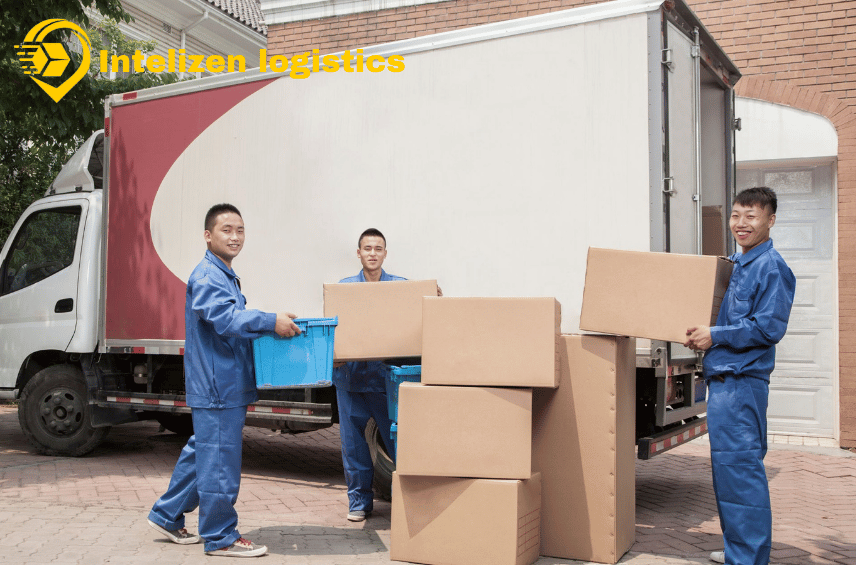
In today’s global economy, transport logistics plays a central role in keeping goods moving smoothly from manufacturers to customers. Whether it is raw materials, retail products, or essential supplies, efficient transport logistics ensures timely delivery, cost control, and operational stability. Modern businesses depend on structured systems that combine planning, technology, and coordination. Understanding how supply chains function helps organizations reduce delays, improve customer satisfaction, and stay competitive in fast-changing markets.
Introduction to Transport Logistics
Transport logistics refers to the planning, management, and movement of goods from one location to another. It includes selecting transportation modes, coordinating shipments, managing inventory, and ensuring products reach their destination safely.
For businesses, Logistics management is not just about delivery. It is about efficiency, reliability, and cost management. A well-managed logistics system reduces waste, minimizes delays, and improves customer trust.
Companies like Intelizen Logistics focus on structured coordination to help businesses streamline shipping operations and improve overall supply chain performance.
What Is a Modern Supply Chain?
A modern supply chain connects suppliers, manufacturers, warehouses, distributors, and customers in one integrated network. It starts with sourcing raw materials and ends with final product delivery.
Key stages include:
- Procurement of raw materials
- Production and packaging
- Warehousing and inventory storage
- Transportation and distribution
- Final customer delivery
Efficient Logistics management supports every stage of this chain by ensuring goods move at the right time and cost.
Core Components of Transport Logistics
To understand how supply chains move efficiently, it is important to look at the core elements of Logistics management.
1. Transportation Modes
Road, rail, sea, and air transport are selected based on distance, urgency, and cost.
2. Warehousing
Storage facilities help manage stock levels and balance supply with demand.
3. Inventory Management
Tracking goods accurately reduces overstocking and shortages.
4. Distribution Networks
Strong distribution planning ensures products reach the right markets quickly.
Intelizen Logistics works with integrated systems that connect these components to create seamless movement of goods.
Role of Technology in Modern Logistics
Technology has transformed Logistics management dramatically. Digital tools now provide real-time tracking, route planning, and performance analysis.
Common technologies include:
- GPS tracking systems
- Automated inventory software
- Data analytics for demand forecasting
- Cloud-based logistics management platforms
With digital visibility, businesses can monitor shipments, adjust routes, and respond quickly to disruptions. Intelizen Logistics leverages technology-driven systems to improve transparency and reduce operational gaps.
Importance of Route Optimization and Planning
Route planning is one of the most powerful tools in Logistics management. Efficient routing reduces fuel costs, delivery time, and environmental impact.
Benefits include:
- Faster deliveries
- Lower operational expenses
- Reduced vehicle wear and tear
- Improved driver productivity
Modern software tools calculate traffic patterns, weather conditions, and road restrictions to design optimal routes. This ensures consistent performance and cost savings.
Last-Mile Delivery: The Final Step in Transport Logistics
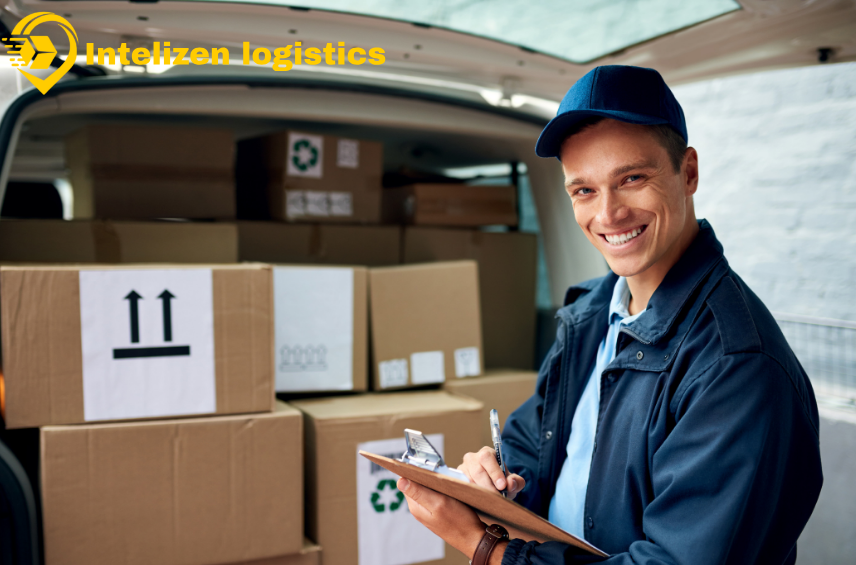
Last-mile delivery is the final and often most critical stage of transport logistics. It involves transporting goods from a distribution center to the end customer.
This stage directly affects customer satisfaction. Delays or errors here can impact brand reputation. Efficient last-mile strategies include:
- Local distribution hubs
- Real-time delivery tracking
- Flexible scheduling
Companies like Intelizen Logistics focus on optimizing last-mile operations to improve delivery accuracy and speed.
Challenges in Transport Logistics
Despite advancements, transport logistics faces several challenges:
- Rising fuel costs
- Supply chain disruptions
- Regulatory compliance
- Labor shortages
- Increasing customer expectations
Unexpected events such as natural disruptions or global trade changes can affect supply chain stability. Businesses must build flexible systems to manage uncertainty.
Experience shows that proactive planning and digital integration reduce risk and improve resilience.
Sustainability in Transport Logistics
Sustainability is becoming a priority in modern transport logistics. Businesses are adopting eco-friendly practices to reduce environmental impact.
Common strategies include:
- Using fuel-efficient vehicles
- Optimizing routes to reduce emissions
- Consolidating shipments
- Investing in electric transport fleets
Intelizen Logistics integrates sustainability planning into operational strategies to help businesses meet environmental goals without compromising efficiency.
Conclusion
Transport logistics is the backbone of modern supply chains. From sourcing materials to delivering finished products, every stage depends on coordinated planning and efficient movement. Technology, route optimization, sustainability efforts, and strong last-mile systems all contribute to smoother operations.
Organizations that invest in smart logistics strategies not only reduce costs but also improve customer satisfaction and operational stability. As supply chains become more complex, the importance of structured planning and digital integration will continue to grow.
FAQs
1. What is transport logistics in simple terms?
Transport logistics is the planning and movement of goods from one place to another within a supply chain.
2. Why is transport logistics important for modern supply chains?
It ensures products are delivered on time, reduces costs, and improves overall supply chain efficiency.
3. How does route optimization help in transport logistics?
Route optimization reduces fuel usage, shortens delivery times, and improves operational performance.
4. What role does technology play in transport logistics?
Technology provides real-time tracking, inventory management, and data analysis for better decision-making.
5. How does Intelizen Logistics support supply chain efficiency?
Intelizen Logistics uses integrated systems and advanced planning tools to improve delivery accuracy and streamline operations.