

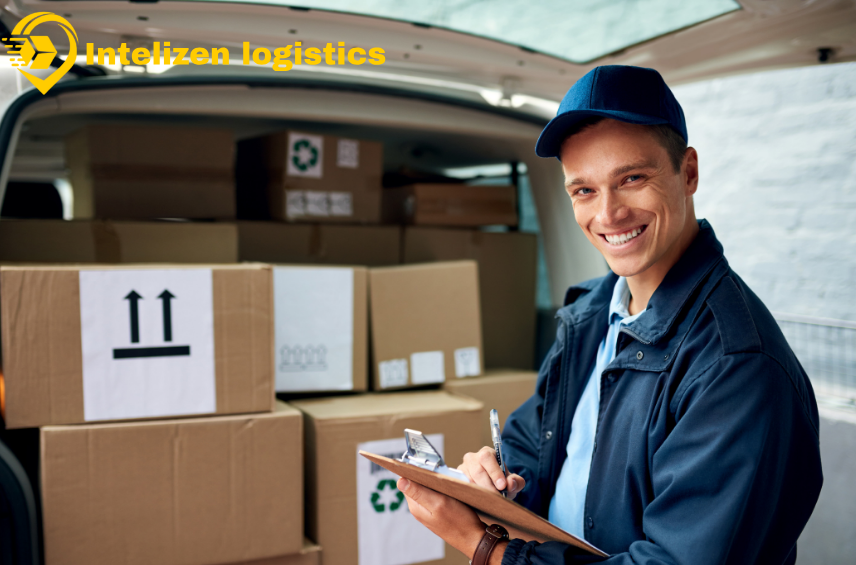
Moving goods from one location to another involves more than simply placing items in a vehicle. Proper packaging, loading, route planning, tracking, and handling all play an important role in keeping shipments secure. Safe logistics services bring these steps together through an organized transportation process.
For businesses, careful logistics planning can help reduce avoidable handling issues and support timely deliveries. Companies such as Intelizen Logistics use structured logistics processes to coordinate transportation according to the type of goods, destination, and delivery requirements.
What Are Safe Logistics Services?
Safe logistics services are transportation solutions that focus on protecting goods throughout their journey. They cover several stages, including pickup, packaging, loading, transportation, unloading, and final delivery.
The approach can vary depending on what is being transported. Fragile products may need additional cushioning, while larger commercial goods may require stronger packaging and specialized vehicles.
A well-organized logistics process also considers documentation, shipment tracking, route planning, and communication between different parties.
Why Are Safe Logistics Services Important for Businesses?
For businesses, goods are often an important part of daily operations. Raw materials need to reach production facilities, finished products need to reach customers, and supplies may need to move between warehouses.
Using safe logistics services helps businesses establish a consistent process for moving these goods. Proper handling can also help reduce unnecessary delays and make shipment coordination easier.
Clear communication is another important factor. When businesses receive timely shipment updates, they can plan inventory, deliveries, and other activities more effectively.
How Safe Logistics Services Protect Goods During Transit
The condition of goods during transportation depends on several practical measures. Safe logistics services typically focus on protecting shipments from the moment they are prepared until they reach the destination.
Proper Packaging and Protection
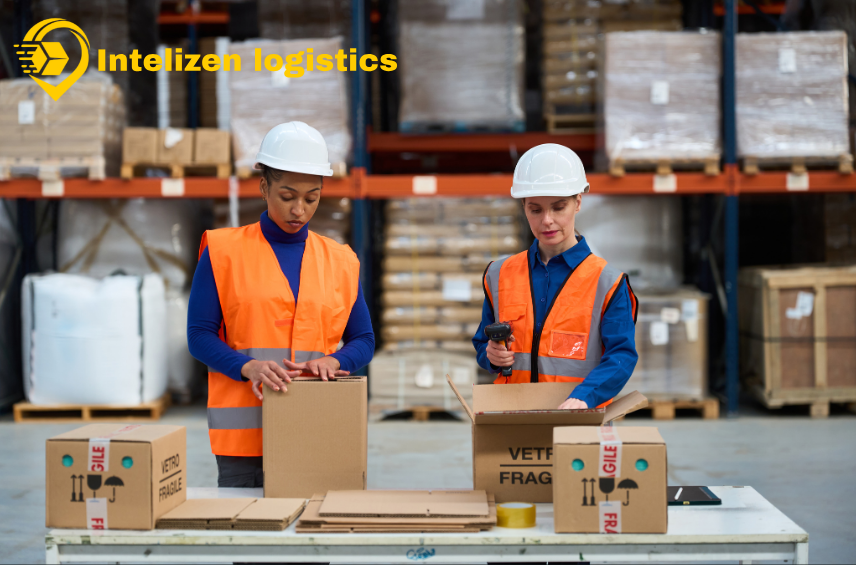
Packaging is the first layer of protection for most shipments. The appropriate materials depend on the product’s size, weight, shape, and sensitivity.
Cardboard boxes, protective films, cushioning materials, pallets, and reinforced containers may be used when suitable. Fragile items may require additional padding to limit movement during transit.
Secure Loading and Unloading
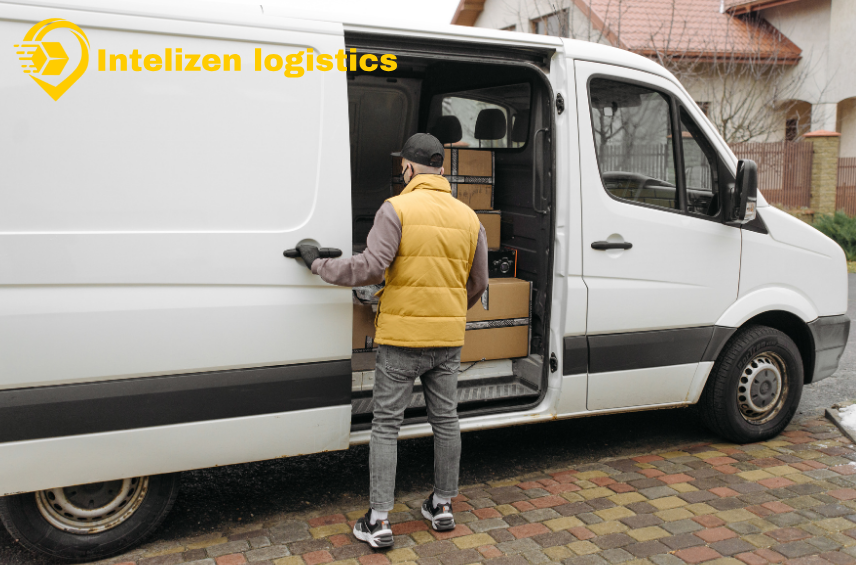
Loading and unloading require careful coordination. Goods should be positioned properly inside the vehicle and secured to reduce unnecessary movement.
Workers may use straps, pallets, protective covers, or other suitable equipment depending on the shipment. Careful unloading is equally important because goods can be affected by rough handling at the destination.
Safe Transportation and Handling
The transportation vehicle should be suitable for the type of shipment being carried. Weight, dimensions, quantity, and handling requirements can influence vehicle selection.
During transit, organized handling helps maintain the condition of goods. Intelizen Logistics focuses on coordination between transportation stages so that shipments can move through the planned process efficiently.
Careful Route Planning
Route planning can help logistics teams account for distance, road conditions, traffic, delivery schedules, and other practical considerations.
Route optimization is not simply about finding the shortest route. A suitable route should also support efficient movement and the specific requirements of the shipment.
How to Prepare Goods for Safe Logistics Services
Businesses can also take steps before handing shipments over to a logistics provider. Good preparation makes transportation easier to manage and helps reduce avoidable handling concerns.
Choose the Right Packaging
Select packaging that matches the product. Heavy items may need reinforced boxes or pallets, while fragile products may require cushioning and additional protection.
Label Goods Clearly
Labels should provide relevant information such as handling instructions, destination details, package numbers, and other necessary information. Clear labels help workers identify and handle shipments correctly.
Check the Shipment Before Pickup
Before pickup, check the number of packages, packaging condition, labels, and shipment details. Keeping a basic record can make it easier to verify the shipment during delivery.
Keep Important Documents Ready
Depending on the shipment and destination, businesses may need invoices, transport documents, permits, or other paperwork. Having these documents prepared can support smoother coordination.
Safety Measures Used by Safe Logistics Services
Technology and organized procedures have made it easier to monitor shipments during transportation. Safe logistics services may combine traditional handling practices with digital tools to improve visibility.
Shipment Tracking
Tracking systems can provide information about shipment movement during transit. Businesses can use this information to monitor progress and coordinate receiving activities.
Tracking can be particularly useful for long-distance transportation where delivery involves multiple stages.
Proper Vehicle Selection
Choosing a suitable vehicle is important for protecting goods. Vehicle size, carrying capacity, loading requirements, and the nature of the shipment should be considered before transportation.
The right vehicle can provide sufficient space for proper placement and help avoid unnecessary movement.
Regular Shipment Updates
Regular updates keep businesses informed about pickup, transit progress, and expected delivery. Transparent communication can make it easier to plan warehouse operations and receiving schedules.
Intelizen Logistics incorporates communication and coordination into the transportation process to help businesses maintain better shipment visibility.
How to Choose Reliable Safe Logistics Services
Businesses have different transportation requirements, so it is useful to compare providers based on their actual needs rather than price alone.
Check Experience and Reviews
Look at the provider’s experience with similar types of shipments. Customer reviews can also provide information about communication, handling, delivery coordination, and overall service experience.
Compare Services and Costs
Compare quotations along with the services included. Packaging, tracking, pickup arrangements, delivery options, and additional transportation requirements can affect the overall cost.
A lower quotation may not include every service a business needs, so checking the complete details is important.
Review Safety and Insurance Options
Ask about the provider’s handling procedures and available insurance options. Understand what is covered, any applicable limits, and the documentation required for claims.
This gives businesses a clearer understanding of the transportation arrangement before shipment.
Common Mistakes to Avoid When Using Safe Logistics Services
Even with professional transportation support, businesses should avoid common preparation mistakes.
These include:
- Using unsuitable packaging
- Providing incomplete shipment details
- Failing to label packages clearly
- Not checking documents before pickup
- Choosing a vehicle without considering shipment requirements
- Ignoring tracking and delivery updates
- Comparing providers only on price
Good preparation and clear communication can make the transportation process more organized.
Benefits of Using Safe Logistics Services for Business Deliveries
Safe logistics services can support businesses that regularly move goods between suppliers, warehouses, offices, stores, and customers.
Some practical benefits include:
- Better shipment organization
- Secure handling during transportation
- Improved delivery visibility
- Easier coordination between locations
- Suitable transportation planning
- Reduced unnecessary handling
- More convenient delivery management
For growing businesses, having a structured logistics process can also make recurring shipments easier to manage. Intelizen Logistics supports this type of approach through transportation planning, coordination, and delivery systems designed around shipment requirements.
Conclusion:
Safe transportation starts with proper planning. Packaging, secure loading, suitable vehicles, route optimization, tracking, and clear communication all contribute to a more organized delivery process.
Businesses can improve their logistics experience by preparing shipments carefully and choosing transportation services that match their specific requirements. Intelizen Logistics takes a structured approach to transportation coordination, helping businesses manage the different stages involved in moving goods.
The goal of safe logistics services is not simply to move a shipment from one location to another. It is to create a clear process where goods are prepared, handled, transported, and delivered with appropriate care at every stage.
“Discover how safe logistics practices help protect goods during transportation and delivery.”
FAQ
1. What are safe logistics services?
Safe logistics services involve organized methods for packaging, handling, transporting, tracking, and delivering goods while focusing on secure and efficient movement.
2. How can I prepare goods for transportation?
Use suitable packaging, label every shipment clearly, check the goods before pickup, and keep required transportation documents ready.
3. Do logistics services provide shipment tracking?
Many logistics providers offer shipment tracking or regular delivery updates. Availability can depend on the provider and type of transportation.
4. How do I choose a safe logistics service?
Consider the provider’s experience, handling process, transportation options, reviews, tracking facilities, insurance terms, and overall service requirements.
5. Why is packaging important in safe logistics services?
Proper packaging helps protect goods from unnecessary movement, surface damage, and handling issues during transportation. The packaging method should match the type of product being shipped.