

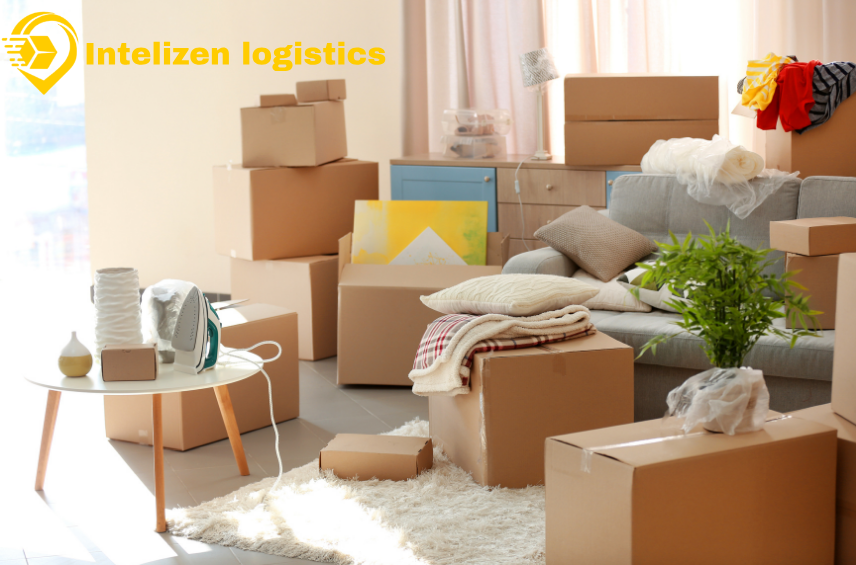
Moving from one home to another involves much more than changing your address. Furniture, kitchen items, electronics, clothing, appliances, books, and personal belongings all need to reach the new location in good condition. Household goods transportation is the organized process of moving these belongings from the current home to their destination.
A little planning before the move can make the entire process easier. Knowing what to pack, how to protect different items, and what to check before transportation can help reduce unnecessary delays and confusion.
What Is Household Goods Transportation?
Household goods transportation refers to moving personal belongings from one residential location to another. It can be used for local relocation, interstate moves, or longer-distance household shifting.
Typical household items may include:
- Sofas, beds, tables, and chairs
- Refrigerators and washing machines
- Televisions and other electronics
- Clothes, books, and kitchen items
- Decorative pieces and household accessories
- Bicycles and other personal equipment
Depending on the arrangement, the process may include packing, pickup, loading, transit, unloading, and delivery.
The requirements can differ from one household to another. A small apartment move may need only a few boxes and basic furniture handling, while a larger home can require more planning, packing material, and vehicle space.
How Does Household Goods Transportation Work?
The moving process generally begins before anything is loaded into a vehicle. Proper coordination helps keep the shipment organized from the beginning.
1. Make a Household Inventory
Prepare a list of the belongings you intend to move. This is also a good opportunity to separate items that you no longer need.
2. Organize and Pack
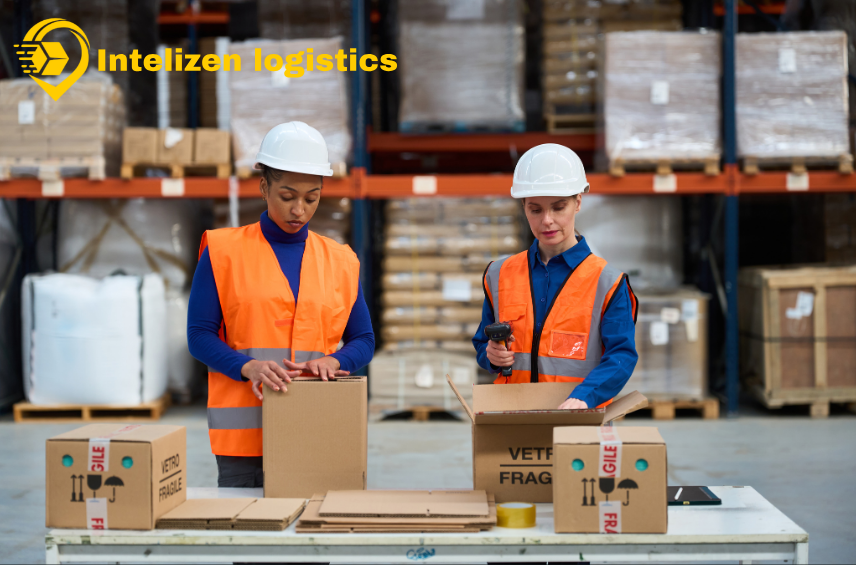
Group similar belongings together and select appropriate packing materials. Fragile objects may need additional cushioning, while larger furniture may require protective wrapping.
3. Prepare Items for Pickup
Before the transportation team arrives, make sure packed boxes are sealed and larger items are ready for handling. Labeling can make identification easier later.
4. Load the Vehicle
Items are placed into the vehicle according to their size, weight, and handling requirements. Heavier goods generally need to be positioned carefully so the load remains stable.
5. Move the Shipment
The goods then travel toward the destination using the planned transportation route. Depending on the location and requirements, road or rail options may be considered.
6. Unload at the Destination
Once the shipment arrives, the goods are removed from the vehicle and moved to the agreed delivery point.
How to Prepare Your Household Goods for Transportation
Good preparation can save time during both loading and unloading. Begin by deciding exactly what needs to be transported.
Create separate groups for furniture, appliances, fragile belongings, clothing, documents, and everyday essentials. Items that you will need immediately after reaching the new home should be packed separately.
Check larger furniture before moving it. Some pieces may be easier to transport after partial disassembly. Keep screws, bolts, and other small parts together in labeled bags.
Important documents, jewelry, cash, and other personal valuables are generally better kept separately rather than packed with ordinary household goods.
You can also photograph valuable belongings before they are packed. These images provide a simple record of their condition before the move.
How to Pack Items for Household Goods Transportation
Packing methods should depend on what is being transported. A one-size-fits-all approach is not suitable for every household item.
Use strong boxes for books, clothing, kitchen accessories, and other smaller belongings. Avoid making individual boxes so heavy that they become difficult to carry.
For fragile objects, place cushioning material around the item and fill empty spaces inside the box. Glassware, ceramics, mirrors, and decorative objects may need extra protection.
Electronics should be packed carefully and protected from unnecessary movement. If the original packaging is available, it may be useful for certain devices.
Furniture can be covered to reduce exposure to dust and protect surfaces during handling. Corners and delicate finishes may also require additional padding.
Finally, write the contents and destination room on each box. Clear labels make the unpacking process much easier.
Choosing the Right Household Goods Transportation Service
Choosing a transportation provider involves more than comparing prices. You should understand what is included in the proposed service.
Before making an arrangement, ask about:
- Pickup and delivery options
- Packing assistance
- Loading and unloading
- Vehicle availability
- Shipment tracking
- Handling of fragile belongings
- Transit protection or insurance
- Expected transportation schedule
It is also useful to ask whether there are additional charges for stairs, over sized goods, extra packing, or special handling.
Intelizen Logistics provides logistics solutions covering household goods and other types of transportation requirements. Understanding the specific services included can help customers plan their move more clearly.
What Factors Affect Household Goods Transportation Costs?
The cost of household goods transportation can change depending on the circumstances of each move.
Distance is one of the main considerations. A shipment traveling between distant cities generally involves different transportation requirements than a nearby move.
Volume and weight can also affect the amount of vehicle space and handling needed.
Packing requirements may influence the total expense when professional packing materials or assistance are required.
Type of belongings matters as well. Large appliances, heavy furniture, fragile objects, or unusually shaped items may need additional handling.
Pickup and delivery arrangements can also influence the final amount. Door-to-door transportation and additional loading or unloading requirements may be different from basic transport arrangements.
For this reason, it is better to request a clear estimate based on the actual shipment rather than relying on a general price.
Common Challenges in Household Goods Transportation
Household moves can involve several practical challenges.
One common issue is poor preparation. When belongings are not sorted or packed before pickup, loading can take longer.
Another challenge is incorrect packing. Fragile items placed without enough cushioning may be more vulnerable during handling.
Over-sized furniture can create difficulties if doorways, elevators, staircases, or corridors have not been considered in advance.
There can also be coordination issues if the pickup and delivery schedules are not clearly discussed.
Weather, traffic, road conditions, and other transportation circumstances may sometimes affect expected timings. Keeping communication clear throughout the process can help manage changes more effectively.
Tips for Safe Household Goods Transportation
A few simple practices can improve the moving experience.
- Prepare an inventory before packing.
- Use boxes that are suitable for the contents.
- Add cushioning to fragile belongings.
- Avoid placing too many heavy items in one box.
- Protect furniture surfaces before loading.
- Label boxes clearly.
- Keep essential documents separately.
- Photograph valuable items before transportation.
- Confirm pickup and delivery details.
- Ask how shipment updates will be provided.
The purpose of these steps is to create better organization throughout the move rather than simply focusing on transportation speed.
What to Check Before Your Household Goods Are Transported
Before the shipment leaves your home, take a few minutes to review everything.
Check that boxes are properly closed and that fragile packages are clearly marked. Compare the packed goods with your inventory so that nothing is accidentally left behind.
Confirm the destination address and the preferred delivery arrangements. If a building has specific entry rules, parking restrictions, elevator timings, or other access requirements, share those details in advance.
For larger belongings, check that they have been appropriately prepared for loading.
Intelizen Logistics focuses on planning, coordination, and transportation management for different types of goods. Clear information from the customer can also help the transportation process run more smoothly.
Household Goods Transportation for Long-Distance Moves
Moving household belongings across states requires more preparation than a short local relocation.
Start by deciding which belongings need to travel with the main shipment and which essentials should remain with you. Items needed immediately after arrival can be kept in a separate bag or box.
Long-distance transportation also makes proper packaging more important. Boxes may remain in transit for an extended period, so fragile belongings should be packed with appropriate cushioning and protection.
Consider the route and transportation method as well. Road transportation may suit some destinations, while rail can be considered for certain long-distance requirements.
Intelizen Logistics offers road and rail logistics options for different transportation needs, depending on the shipment and destination.
Final Tips for a Smooth Household Goods Transportation Process
A well-planned move starts several days before the actual pickup.
Prepare your inventory early, remove items you no longer need, and pack belongings according to their type. Labeling boxes can save considerable time when everything reaches the new home.
Keep essential documents and frequently needed items accessible. Confirm transportation details before pickup and make sure the destination has been prepared for unloading.
Intelizen Logistics can be considered as part of the planning process when arranging transportation for household belongings and other goods.
The main goal is to create a clear process where packing, pickup, transit, and delivery are properly coordinated.
Conclusion: Making Goods Transportation Safer
Moving household belongings becomes easier when each stage is planned carefully. From sorting and packing to loading, transportation, and final delivery, every step contributes to an organized relocation.
Good preparation also makes it easier to identify fragile items, manage larger belongings, and coordinate pickup and delivery requirements.
Whether the move is within the same city or across states, understanding household goods transportation can help you prepare more effectively and avoid common complications. A clear plan, suitable handling, and consistent coordination can make the overall relocation process more convenient.
” Explore reliable household goods transportation solutions for a smoother move.”
FAQ
1. What is household goods transportation?
Household goods transportation is the movement of personal belongings such as furniture, appliances, electronics, clothing, and other home items from one location to another.
2. How should I prepare my belongings for transportation?
Sort your items, create an inventory, pack them according to their type, protect fragile goods, and label the boxes before pickup.
3. How long does household goods transportation take?
The time can vary based on distance, route, shipment size, transportation method, and delivery arrangements.
4. What affects household goods transportation costs?
Distance, shipment size, packing requirements, item type, handling needs, and pickup or delivery arrangements can influence the overall cost.
5. How can I make household goods transportation easier?
Start preparing early, use suitable packing materials, organize your belongings, label boxes, and confirm transportation details before the shipment begins.