

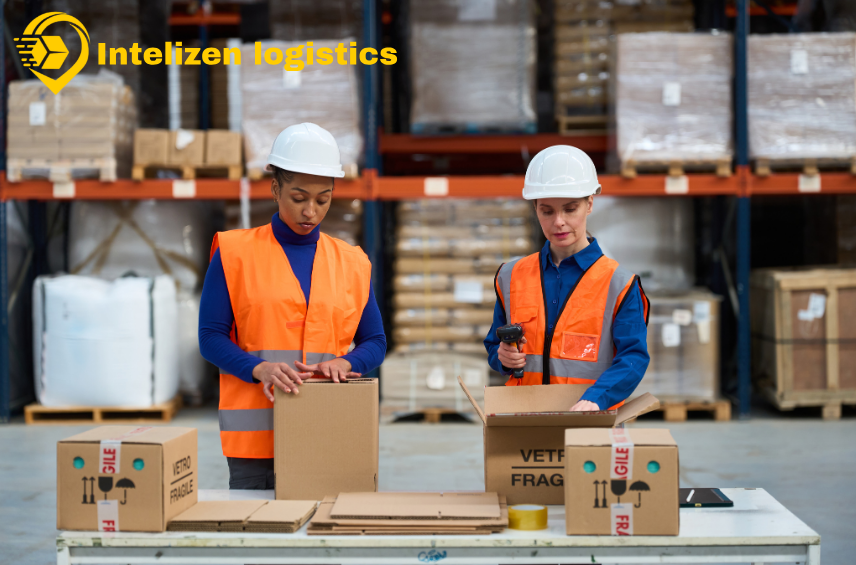
Goods delivery services help businesses move products, equipment, documents, and other items from one location to another in an organized way. For modern businesses, delivery is not simply the final step after a sale. It can influence inventory planning, customer experience, operating efficiency, and communication.
As businesses serve customers across cities and states, having a clear transportation and delivery process becomes increasingly important. Reliable delivery systems help businesses coordinate pickups, choose suitable routes, track shipments, and keep customers informed.
What Are Goods Delivery Services?
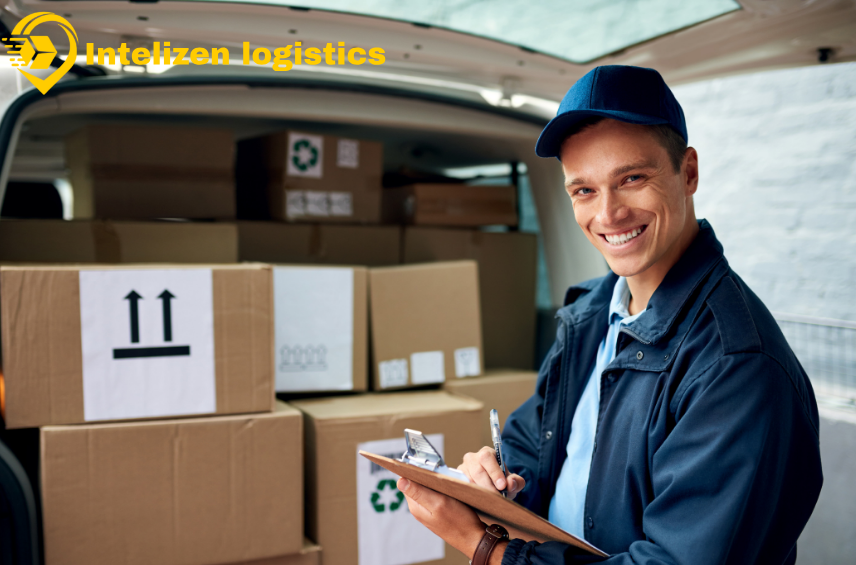
Goods delivery services are transportation solutions used to move products or other business items from a pickup point to a destination. Depending on the requirement, the process may include pickup, packing, loading, transportation, tracking, unloading, and doorstep delivery.
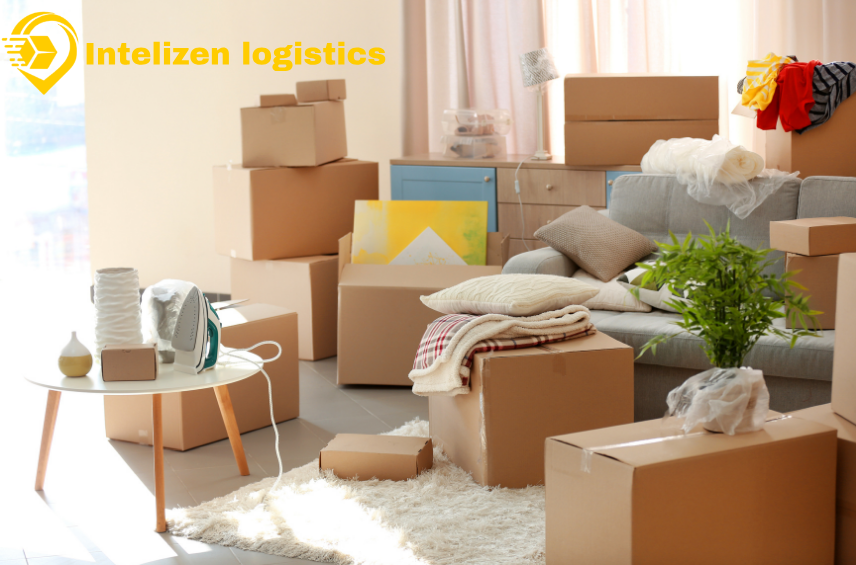
For a business, this process can involve moving finished products to customers, transferring equipment between locations, or sending household and commercial goods during relocation. The right approach depends on the type of goods, distance, destination, timing, and handling requirements.
A structured delivery process also creates better visibility. Businesses can understand where goods are, what stage the shipment has reached, and whether additional coordination is needed.
How Goods Delivery Services Support Businesses
Modern businesses often work across multiple locations and serve customers who expect clear delivery information. Goods delivery services support these operations by connecting suppliers, businesses, warehouses, and customers.
A well-planned delivery process can help businesses coordinate transportation schedules and reduce unnecessary movement. It also allows staff to focus on other responsibilities instead of managing every transportation task manually.
For example, a company sending equipment to another branch may need to coordinate packing, pickup, transportation, and delivery around its working schedule. A structured logistics process makes these steps easier to manage.
Benefits of Reliable Goods Delivery Services
One important benefit is better planning. Businesses can organize shipments according to their schedules, destinations, and transportation requirements.
Reliable goods delivery services can also support:
- Better shipment coordination
- Clearer delivery timelines
- Improved tracking and visibility
- Convenient pickup and doorstep delivery
- More organized handling of goods
- Better communication with customers
These benefits can make everyday logistics easier to manage. They are particularly useful for businesses that regularly move goods between different cities or states.
Goods Delivery Services and Customer Satisfaction
Customers generally want to know when their goods will arrive and whether the delivery process is being handled properly. Clear communication can make the overall experience more convenient.
Goods delivery services that provide tracking updates or delivery information give customers better visibility. When businesses communicate clearly about pickup, transit, and delivery, customers can plan accordingly.
Doorstep delivery can also add convenience when it is available for the shipment and destination. For businesses, this can help create a smoother experience from order processing through final delivery.
How Goods Delivery Services Improve Business Efficiency
Efficient transportation is closely connected to business operations. When delivery activities are organized, businesses can coordinate inventory, staff, customer communication, and schedules more effectively.
Goods delivery services can improve efficiency through route planning, shipment tracking, suitable transportation methods, and coordinated pickup and delivery. These steps help businesses maintain a clearer view of their logistics activities.
For example, route optimization can help transportation teams select practical routes based on the destination and delivery requirements. Tracking can then provide updates during transit, helping businesses respond when schedules change.
Choosing the Right Goods Delivery Services
Businesses should consider more than price when selecting a delivery provider. The right choice depends on what is being transported and how the delivery needs to be managed.
Important factors include:
- Type and size of goods
- Pickup and delivery locations
- Transportation method
- Expected delivery timeline
- Packing and handling requirements
- Tracking or status updates
- Transit protection or insurance options
- Customer support and communication
Businesses should also check whether the provider has experience with the type of transportation they require. A clear quotation and explanation of the delivery process can make comparisons easier.
Intelizen Logistics provides transportation and shifting services for items such as appliances, electronics, bikes, and household goods, with road and rail options and doorstep pickup or delivery available for relevant requirements.
For a broader overview of available services, readers can explore Intelizen Logistics services.
The Role of Technology in Delivery Operations
Technology has made it easier to monitor transportation and share delivery information. Tracking systems can provide shipment updates, while digital communication can help coordinate different stages of the process.
For businesses, this visibility can make logistics planning more practical. Staff can check shipment status, communicate with customers, and respond to changes without relying only on manual updates.
Route planning tools can also support more organized transportation. When combined with clear processes and human coordination, technology can help create a more transparent delivery system.
How Businesses Can Improve Their Delivery Process
Businesses can improve delivery operations by starting with clear planning. Before a shipment moves, important details such as the item type, quantity, pickup point, destination, handling needs, and preferred timeline should be confirmed.
Proper packaging is another important step. Goods should be packed according to their size, material, and handling requirements. Clear labeling can also make loading and unloading easier.
Businesses should maintain communication throughout the journey. Sharing relevant updates with customers and internal teams can reduce confusion and help everyone understand the current delivery status.
Intelizen Logistics emphasizes planning, tracking, coordination, and structured transportation processes across its logistics services.
Goods Delivery Services for Growing Businesses
As a business grows, its delivery requirements may become more varied. A company may need to send goods to new cities, move equipment between branches, or manage larger numbers of shipments.
Goods delivery services can provide a structured way to handle these changing requirements. Instead of treating every shipment as a separate task, businesses can establish repeatable processes for packing, pickup, transportation, tracking, and delivery.
Growing businesses should also review their delivery process regularly. Tracking common delays, communication gaps, and handling requirements can help identify areas where operations can be improved.
Intelizen Logistics supports transportation requirements across different locations and handles categories such as appliances, electronics, bikes, and household goods. Its public service information also highlights road and rail transportation, shipment updates, and door-to-door options for applicable deliveries.
Conclusion: Building Better Delivery Operations
Goods delivery services have become an important part of modern business operations. They connect businesses with customers, suppliers, branches, and other locations while supporting organized transportation and timely movement.
The most effective approach is not simply to focus on speed. Businesses should consider planning, secure handling, tracking, communication, route selection, and the specific requirements of each shipment.
By choosing suitable goods delivery services and maintaining a clear process, businesses can make transportation easier to manage and provide customers with a more consistent delivery experience.
“Plan your goods delivery with reliable logistics and efficient transportation support.“
FAQ
1. What are goods delivery services used for?
They are used to transport products, equipment, documents, household items, and other goods from one location to another.
2. How can delivery services help a business?
They can support better transportation planning, shipment tracking, timely movement, and customer communication.
3. What should businesses consider when choosing a delivery provider?
Consider the goods being transported, locations, transportation method, delivery timeline, handling process, tracking, and available protection options.
4. How does technology improve goods delivery services?
Technology can support shipment tracking, route planning, communication, and better visibility throughout the transportation process.
5. Are goods delivery services useful for growing businesses?
Yes. Goods delivery services can help growing businesses manage transportation between customers, branches, suppliers, and different locations more systematically.