

Affordable Rail Transport Logistics plays a vital role in improving supply chain efficiency by offering a reliable and cost-effective way to move goods over long distances. Businesses today need transport solutions that balance cost, speed, and consistency, and rail transport helps achieve this through structured routes and high-capacity movement. It supports bulk cargo transportation while reducing overall logistics expenses. By integrating rail into supply chain planning, companies can ensure smoother coordination, better delivery timelines, and improved operational efficiency in a competitive market.
Introduction to Affordable Rail Transport Logistics
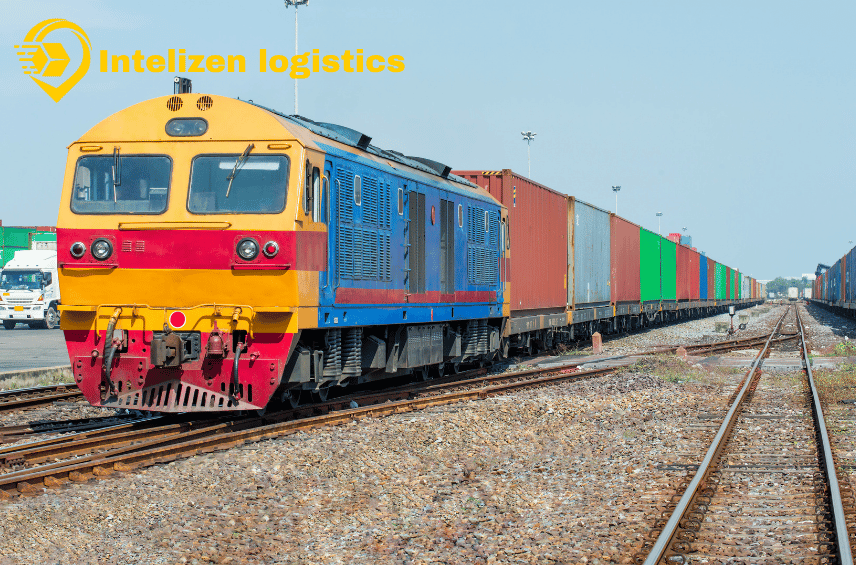
Affordable Rail Transport Logistics refers to the use of railway systems to move goods efficiently over long distances at lower costs. It is widely used for bulk cargo transportation, including raw materials, industrial goods, and large shipments that require stable transit conditions.
Unlike road transport, rail systems operate on fixed routes and schedules, which allows better planning and coordination. This structured approach makes rail logistics a dependable option for businesses aiming to maintain steady supply chain flow.
How Rail Transport Supports Modern Supply Chains
Modern supply chains depend on reliable transport systems to ensure goods move smoothly from one location to another. Rail transport contributes to this by offering high-capacity movement and consistent transit times.
Affordable Rail Transport Logistics supports supply chain efficiency by reducing delays and improving coordination between different transport stages. It also plays a key role in connecting production centers with distribution hubs, especially for long-distance freight transport.
Companies like Intelizen Logistics often integrate rail transport into their logistics planning to support smooth and continuous freight movement across regions.
Key Benefits of Affordable Rail Transport Logistics
One of the biggest advantages of Affordable Rail Transport Logistics is its ability to handle large volumes of goods in a single trip. This reduces the number of shipments required and helps lower overall transportation costs.
Rail transport is also known for its consistency. Since trains follow fixed routes and schedules, businesses can plan deliveries more accurately. This improves coordination across the supply chain and reduces uncertainty.
Another important benefit is cost efficiency. Rail freight services are often more economical than road transport for long distances, making them suitable for bulk cargo transportation.
Rail vs Road Transport Logistics: A Practical Comparison
When comparing rail vs road transport logistics, each option has its own advantages. Road transport offers flexibility and is suitable for short distances and last-mile delivery. However, it may involve higher costs for long-distance freight transport.
Rail transport, on the other hand, is more efficient for bulk shipments and long routes. Affordable Rail Transport Logistics provides a stable and structured transport method that reduces variability in delivery times.
Many businesses use a combination of both methods to create a balanced and efficient logistics system.
Affordable Rail Transport Logistics Enhances Long-Distance Supply Chains
Affordable Rail Transport Logistics plays a crucial role in managing long-distance freight transport efficiently. Businesses that deal with bulk cargo benefit from rail systems because they allow large quantities of goods to be moved in a single journey. This reduces the number of trips required and helps maintain a steady flow of goods across regions. With fixed routes and structured schedules, rail transport supports better planning and coordination, making it easier for companies to maintain consistent supply chain operations. Companies like Intelizen Logistics often integrate rail solutions to improve reliability and streamline freight movement.
Affordable Rail Transport Logistics Improves Reliability and Planning
Affordable Rail Transport Logistics helps businesses achieve better reliability in their supply chain operations. Since trains follow fixed schedules, companies can plan shipments more accurately and reduce uncertainty in delivery timelines. This consistency supports better inventory management and smoother business operations. By incorporating structured rail planning, Intelizen Logistics enables businesses to maintain steady supply chain performance while ensuring efficient movement of goods across different regions.
Role of Rail in Multimodal Transport Solutions
Multimodal transport solutions combine different modes of transportation, such as rail, road, and sea, to improve overall efficiency. Rail plays a central role in this system by handling long-distance freight movement.
Affordable Rail Transport Logistics acts as the backbone of multimodal logistics by connecting major transport hubs. From there, road transport is used for final delivery.
Intelizen Logistics uses this integrated approach to ensure smooth coordination between different transport stages, helping businesses maintain consistent supply chain performance.
Challenges in Rail Transport Logistics
While rail transport offers many advantages, it also comes with certain challenges. Limited route flexibility can make it less suitable for destinations that are not directly connected by railway networks.
Scheduling constraints may also require careful planning, as trains operate on fixed timelines. Additionally, coordination between rail and other transport modes is essential to avoid delays.
Despite these challenges, proper logistics planning and coordination can help businesses make the most of Affordable Rail Transport Logistics.
Sustainability in Rail Logistics
Sustainability is becoming an important focus in logistics, and rail transport supports this goal effectively. Compared to road transport, rail systems generally consume less fuel per ton of cargo.
Affordable Rail Transport Logistics contributes to more sustainable operations by reducing fuel usage and supporting efficient freight movement. This makes it a suitable option for businesses looking to improve both cost efficiency and environmental responsibility.
Intelizen Logistics considers sustainability as part of its logistics planning, encouraging the use of rail transport where it adds value to the supply chain.
Future of Affordable Rail Transport Logistics
The future of Affordable Rail Transport Logistics looks promising as technology continues to improve logistics systems. Digital tracking, better coordination tools, and improved infrastructure are making rail transport more efficient and accessible.
As supply chains become more complex, businesses are likely to rely more on rail transport for long-distance freight movement. This shift will support better planning, cost control, and overall efficiency.
With continued innovation, rail logistics will remain an important part of modern supply chain management.
Conclusion
Affordable Rail Transport Logistics plays a key role in improving supply chain efficiency by offering a reliable, structured, and cost-effective way to move goods over long distances. It supports bulk transportation, enhances planning, and helps businesses maintain consistent delivery timelines. When combined with other transport methods, it creates a more balanced and efficient logistics system. Companies like Intelizen Logistics use rail transport as part of their overall strategy to ensure smooth coordination, better cost management, and steady supply chain performance across different regions.
” Optimize your supply chain today with smarter, efficient rail logistics solutions.”
FAQs
1. What is Affordable Rail Transport Logistics?
Affordable Rail Transport Logistics refers to using railway systems to move goods over long distances in a cost-effective and structured way. It is commonly used for bulk cargo transportation and helps businesses manage logistics costs while maintaining steady delivery schedules.
2. How does Affordable Rail Transport Logistics improve supply chain efficiency?
Affordable Rail Transport Logistics improves supply chain efficiency by enabling large-volume shipments, reducing transportation costs, and providing consistent delivery timelines. This helps businesses plan better and maintain smooth operations across different locations.
3. Is rail transport better than road transport for logistics?
Rail transport is more suitable for long-distance and bulk shipments, while road transport is ideal for short distances and last-mile delivery. Many companies, including Intelizen Logistics, combine both methods to create a balanced and efficient logistics system.
4. What are the main benefits of Affordable Rail Transport Logistics?
The key benefits include cost savings, reliable scheduling, high cargo capacity, and improved coordination in supply chain operations. It also supports better planning and reduces the number of trips needed for large shipments
5. What challenges are involved in rail transport logistics?
Some challenges include limited route flexibility, fixed schedules, and the need for coordination with other transport modes. However, proper planning and logistics management can help overcome these challenges effectively.