

Modern businesses depend on smooth transportation and timely deliveries to meet customer expectations. Today, logistics services play a major role in improving supply chain efficiency by helping companies manage transportation, warehousing, inventory, and delivery operations in a more organized way. From small businesses to large industries, reliable logistics planning supports better coordination and faster movement of goods.
As industries continue to grow, businesses are focusing more on efficient supply chain operations to reduce delays and improve customer satisfaction. Companies like Intelizen Logistics work within this evolving logistics ecosystem by supporting transportation planning, shipment coordination, and streamlined delivery systems.
Introduction to Modern Logistics Services
Modern logistics services involve much more than transporting products from one place to another. They include planning, shipment tracking, warehouse operations, inventory control, packaging, and last-mile delivery. These services help businesses move products efficiently while maintaining transparency throughout the supply chain.
With increasing customer expectations and online shopping growth, companies now require logistics systems that are flexible, timely, and easy to manage. Modern logistics solutions help businesses improve operational flow and maintain better coordination between suppliers, warehouses, and customers.
Understanding Supply Chain Efficiency
Supply chain efficiency refers to how smoothly products move from manufacturers to end customers. An efficient supply chain reduces unnecessary delays, lowers operational costs, and improves delivery timelines.
Businesses that invest in professional logistics services often experience better inventory management and improved coordination between transportation and warehousing. Efficient supply chains also help companies avoid overstocking or product shortages.
Importance of Fast and Reliable Transportation
Transportation is one of the most important parts of any supply chain. Fast and reliable movement of goods ensures products reach their destination on time and in good condition.
Modern logistics services help businesses plan transportation routes more effectively and manage shipments through organized delivery systems. Reliable transportation also supports industries that depend on time-sensitive deliveries such as retail, healthcare, manufacturing, and e-commerce.
Timely transportation improves customer trust and creates a smoother experience for both businesses and consumers.
Role of Technology in Logistics Management
Technology has transformed how logistics operations are managed. Digital systems now help businesses track shipments, monitor delivery progress, and manage warehouse activities more efficiently.
Many logistics providers use transportation management systems, automated inventory tools, and digital tracking platforms to improve coordination. Intelizen Logistics is part of the growing logistics sector that recognizes the importance of technology-driven planning and shipment visibility.
Technology also helps reduce manual errors and improves communication across supply chain operations.
Real-Time Tracking and Shipment Monitoring
Real-time tracking has become an essential feature in modern logistics services. Businesses and customers now expect visibility into shipment locations and estimated delivery times.
Shipment monitoring systems allow companies to track goods during transit and respond quickly if delays occur. This transparency improves planning and helps businesses maintain customer confidence.
Real-time tracking also supports better coordination between warehouses, transport teams, and delivery partners.
Warehouse Management and Inventory Control
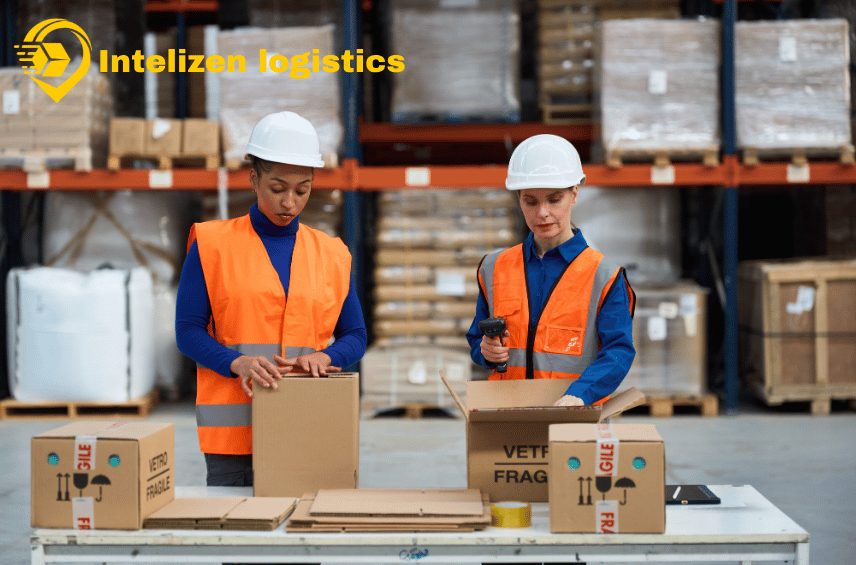
Warehouse management plays a major role in maintaining supply chain efficiency. Organized storage systems help businesses track inventory levels and avoid delays caused by misplaced or unavailable stock.
Efficient warehouse operations support faster order processing and reduce unnecessary handling time. Many modern logistics services include inventory tracking systems that help businesses monitor stock movement accurately.
For businesses managing large product volumes, proper warehouse planning improves overall operational efficiency.
How Logistics Services Reduce Delivery Delays
Delivery delays can affect customer satisfaction and business operations. Poor route planning, traffic issues, and lack of coordination often create disruptions in the supply chain.
Professional logistics services reduce delays by improving shipment planning, transportation scheduling, and warehouse coordination. Better communication between different stages of the supply chain also helps businesses respond quickly to unexpected situations.
Companies that focus on organized delivery planning often achieve more consistent shipping timelines.
Benefits of Automated Supply Chain Operations
Automation has improved the speed and accuracy of supply chain management. Automated systems help businesses process orders faster, update inventory records instantly, and monitor deliveries more efficiently.
Automation also reduces repetitive manual tasks, allowing logistics teams to focus on planning and coordination. Businesses that adopt automated logistics processes often experience smoother operations and better resource management.
You can also explore how transportation planning supports business efficiency through modern delivery systems and inventory coordination.
Improving Customer Satisfaction Through Better Logistics
Customer expectations continue to grow in today’s market. People want timely deliveries, accurate tracking information, and safe product handling.
Reliable logistics services help businesses provide a smoother customer experience through organized transportation and transparent shipment updates. Efficient delivery systems also reduce confusion related to delayed or missing shipments.
Businesses that improve logistics coordination often build stronger long-term customer relationships.
Importance of Route Optimization in Transportation
Route optimization helps businesses identify faster and more efficient transportation paths. It supports fuel savings, reduces travel time, and improves delivery consistency.
Modern logistics systems use route planning tools to manage deliveries more effectively. These tools help transport teams avoid traffic-heavy areas and improve scheduling accuracy.
Route optimization also supports sustainable transportation practices by reducing unnecessary fuel usage.
E-Commerce Growth and Modern Logistics Services
The rapid growth of online shopping has increased the demand for organized delivery systems. E-commerce businesses depend heavily on reliable logistics services to manage inventory, packaging, and doorstep delivery operations.
Customers now expect fast order fulfillment and accurate shipment updates. Logistics providers support these expectations by improving transportation planning and warehouse coordination.
As online shopping continues to expand, logistics operations will remain essential for maintaining smooth delivery experiences.
Challenges in Supply Chain Management
Despite technological improvements, supply chain management still faces several challenges. Transportation delays, inventory shortages, changing customer demand, and rising fuel costs can affect logistics operations.
Businesses must also manage communication between suppliers, warehouses, and delivery teams. Efficient planning and transparent tracking systems help reduce these operational difficulties.
Companies that invest in organized logistics strategies are often better prepared to handle changing market conditions.
Smart Logistics Services for Faster Deliveries
Modern logistics services help businesses improve delivery speed through better planning, transportation coordination, and route optimization. Efficient shipment management reduces delays and supports smooth product movement across different locations. Businesses that use organized logistics systems can improve customer satisfaction while maintaining timely and reliable deliveries.
How Technology Improves Logistics Services
Technology plays an important role in modern logistics services by supporting real-time tracking, inventory management, and shipment monitoring. Digital tools help businesses manage supply chain operations more efficiently and improve communication between warehouses, transport teams, and customers. These systems also help reduce operational gaps and create a more transparent delivery process.
Choosing the Right Logistics Services Provider
Selecting the right logistics partner is important for maintaining supply chain efficiency. Businesses should consider factors such as transportation reliability, tracking capabilities, warehouse support, and communication systems.
A logistics provider should support smooth coordination and transparent delivery planning. Intelizen Logistics is one example of a company operating in the logistics space with a focus on organized transportation and supply chain coordination.
Businesses should also evaluate how logistics providers handle inventory management and shipment visibility.
Future Trends in Logistics and Supply Chain Industry
The logistics industry continues to evolve with new technologies and changing customer expectations. Automation, artificial intelligence, smart tracking systems, and sustainable transportation solutions are becoming more common.
Future logistics services will likely focus more on digital visibility, faster coordination, and environmentally responsible transportation methods.
Businesses that adapt to modern logistics trends can improve operational flexibility and customer satisfaction over time.
Conclusion
Efficient supply chain operations are essential for modern businesses, and logistics services play a key role in supporting transportation, warehousing, tracking, and delivery coordination. From route optimization to automated inventory management, modern logistics systems help businesses improve efficiency and reduce operational delays.
As industries continue to evolve, organizations that invest in reliable and transparent logistics planning can create smoother customer experiences and better long-term operational performance. Companies such as Intelizen Logistics are part of this growing logistics ecosystem that focuses on coordination, planning, and efficient supply chain support.
“Efficient logistics services help businesses achieve smoother, faster, and smarter supply chain operations.”
FAQs
1. What are logistics services?
Logistics services involve transportation, warehousing, shipment tracking, inventory management, and delivery coordination to help businesses move goods efficiently.
2. How do logistics services improve supply chain efficiency?
Logistics services improve supply chain efficiency through better planning, route optimization, inventory control, and timely transportation management.
3. Why is real-time shipment tracking important?
Real-time tracking helps businesses and customers monitor shipment progress, improve transparency, and respond quickly to delivery updates.
4. How does technology help logistics management?
Technology supports logistics management through automated tracking systems, warehouse management tools, and better transportation coordination.
5. What should businesses look for in a logistics provider?
Businesses should consider transportation reliability, tracking systems, warehouse support, communication, and operational transparency when selecting a logistics provider.