

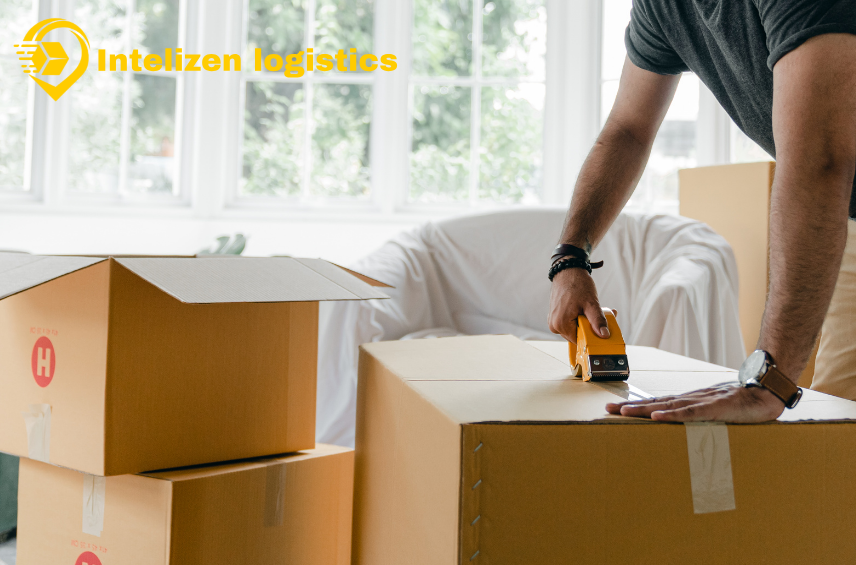
Moving to a new home can be exciting, but packing requires careful planning. Using the right safe packing techniques can help protect household belongings, make boxes easier to handle, and keep the moving process organized. From fragile glassware and electronics to furniture and heavy boxes, each item needs an appropriate packing method.
A little preparation before moving day can also reduce confusion during loading, transportation, and unpacking. Whether you are moving locally or across cities, understanding basic packing practices can make the experience more manageable.
Why Safe Packing Techniques Matter During a Move
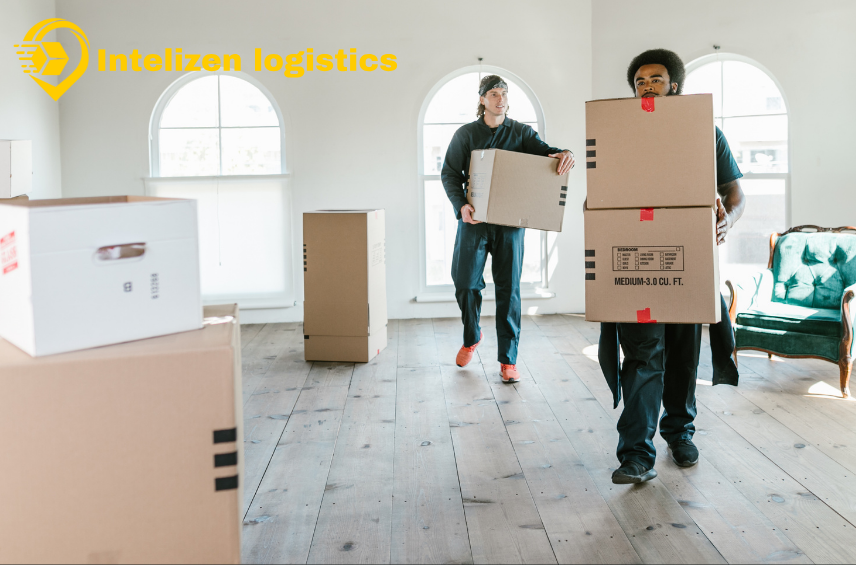
Packing is more than simply putting items into boxes. Poorly packed belongings can shift during transportation, while boxes that are too heavy can become difficult to carry. Good packing methods focus on protection, weight distribution, labeling, and easy handling.
Using safe packing techniques also makes it easier to identify important belongings when you reach your destination. A simple system of labeling and grouping can save time during unloading and unpacking.
1. Safe Packing Techniques for Different Household Items
Different household items need different levels of protection. Before packing, sort your belongings according to their size, weight, material, and sensitivity.
How to Pack Clothes and Personal Items
Clothes can be folded and placed in clean, dry boxes or suitable bags. Avoid filling containers too tightly because this can make them difficult to move. Keep frequently needed clothing and personal items in a separate, clearly labeled box.
Books, documents, and small personal belongings should also be grouped according to their purpose. This makes unpacking easier later.
How to Pack Kitchen Items Safely
Kitchenware often includes a mixture of plates, cups, containers, utensils, and appliances. Wrap breakable items individually and place cushioning material between pieces.
Use smaller boxes for heavy kitchen items such as cookware and larger boxes for lighter belongings. This helps keep the weight manageable.
How to Pack Electronics and Appliances
Before packing electronics, remove loose accessories and cables where appropriate. Keep cords organized and label them so they are easier to identify later.
If the original packaging is available, it can be useful for certain electronic items. Otherwise, use suitable cushioning and sturdy boxes. Appliances should be cleaned and prepared according to the manufacturer’s instructions before transportation.
For larger relocation requirements, packing and moving services may include handling household goods, furniture, electronics, and other belongings.
2. Safe Packing Techniques for Fragile Items
Glassware, mirrors, ceramics, decorative pieces, and other delicate belongings require extra attention. Wrap individual items before placing them into a box and avoid leaving large empty spaces.
Use cushioning material to reduce movement inside the box. Place heavier items at the bottom and lighter items toward the top. Do not overload fragile-item boxes.
Choosing the Right Packing Materials
Strong cardboard boxes, bubble wrap, packing paper, protective sheets, tape, and suitable padding can be useful for household moves. The material should match the item being packed.
For example, soft fabrics may work as additional cushioning for some household belongings, while fragile objects may need more structured protection.
Using Bubble Wrap and Protective Padding
Bubble wrap can provide an additional layer around delicate objects. Wrap the item completely and secure the material with tape without applying excessive pressure.
Padding can also be placed around the sides and bottom of the box. The goal is to limit unnecessary movement while keeping the item properly supported.
Labeling Fragile Boxes Clearly
Clear labels help identify boxes that need careful handling. Write the contents and the room where the box belongs.
A simple label such as “Kitchen – Glassware – Fragile” can be more useful than a general label such as “Kitchen Items.” Consistent labeling can also make unloading more organized.
3. Safe Packing Techniques for Furniture
Furniture requires planning because pieces can be large, heavy, and difficult to handle. Before packing, measure doorways and pathways to understand how each item will be moved.
Protect exposed surfaces with suitable covers or padding. Pay attention to corners, handles, glass panels, and other areas that may be more vulnerable during handling.
Protecting Furniture From Scratches
Clean furniture before wrapping it and use suitable protective covers. Corners can be protected with additional padding, while surfaces can be covered to reduce contact with other items.
Avoid placing sharp tools, metal objects, or heavy loose items directly against furniture surfaces.
Disassembling Large Furniture Before Packing
Where practical, larger furniture may be easier to move after removing detachable parts. Keep screws, bolts, and small fittings together in a labeled bag.
Take a quick photo before disassembly if you think it may help with reassembly. Keep the hardware with the relevant furniture rather than placing it in a general toolbox.
4. Safe Packing Techniques for Heavy Items
Heavy belongings require special attention because weight affects both box strength and handling. Books, cookware, tools, and certain appliances should not be packed into oversized boxes simply because they fit.
How to Distribute Weight Inside Boxes
Place heavier belongings toward the bottom and lighter items above them. Avoid concentrating all the weight on one side of a box.
A balanced box is generally easier to carry and position. Strong boxes should be selected for items that require additional support.
Avoiding Overfilled and Difficult-to-Carry Boxes
An overfilled box may become difficult to close, carry, or stack. It can also put extra pressure on the items inside.
Leave enough room for proper cushioning and secure the box with quality packing tape. If a box feels too heavy to lift safely, divide the contents between two containers.
5. Safe Packing Techniques for Long-Distance Moves
Long-distance relocation requires additional attention because belongings may spend more time in transportation. Proper preparation can help keep boxes organized throughout the journey.
Securing Boxes for Transportation
Close every box properly and reinforce the bottom when necessary. Avoid leaving loose objects inside containers because they can move during handling.
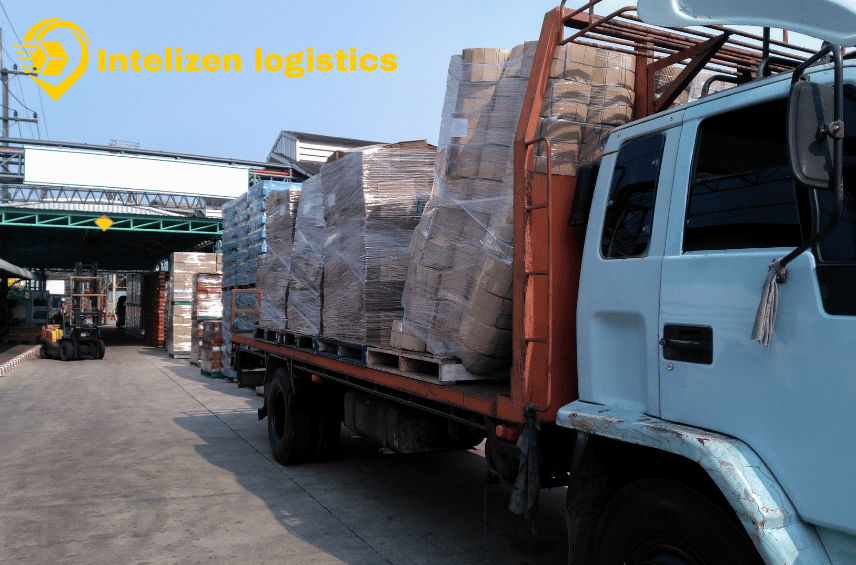
Stack boxes according to their size and weight rather than placing heavy boxes on top of lighter ones. A clear packing system can make loading and unloading more efficient.
Protecting Items From Dust and Moisture
Use appropriate covers and sealed packaging for belongings that may be affected by dust or moisture. Clothes, documents, and other sensitive items should be kept dry before packing.
During long-distance relocation, route planning and transportation coordination are also important. Household shifting services can involve packing, loading, transportation, unloading, and related relocation activities.
Intelizen Logistics provides road and rail transportation options for household goods, appliances, electronics, and other items across India.
6. Safe Packing Techniques to Avoid Common Mistakes
Even simple packing mistakes can make moving day less organized. One common issue is starting too late and trying to pack everything at once.
Another mistake is mixing items from different rooms without labels. This may make unloading and unpacking take longer.
Mistakes to Avoid When Packing
Avoid using damaged boxes, leaving fragile items without cushioning, or placing too many heavy belongings in one container.
Do not pack important documents, essential medicines, valuables, or everyday necessities into boxes that will be difficult to access immediately after arrival. Keep these items separately when appropriate.
How to Check Boxes Before Moving Day
Before the moving team arrives, inspect each box. Check whether the bottom is secure, the lid is properly closed, and the label is visible.
You can also create a simple inventory of major belongings. This provides an easy reference during loading and unloading and helps you keep track of important items.
Final Thoughts on Safe Packing Techniques for a Smooth Move
Good packing starts with preparation. Sorting belongings, choosing suitable materials, protecting fragile items, balancing box weight, and labeling everything clearly can make relocation easier to manage.
The right safe packing techniques are not complicated. They simply require attention to the type of item, the protection it needs, and how it will be handled during transportation. For larger moves, clear coordination between the household and the logistics provider can also help keep the process organized.
Intelizen Logistics describes its packing and moving process as including packing, handling, transportation, and related relocation support.
Conclusion: Safe Packing Techniques for a Smooth Move
A smooth move begins with thoughtful preparation and proper packing. Choosing suitable materials, protecting fragile belongings, distributing weight evenly, and labeling boxes clearly can make handling and unpacking much easier. By following practical safe packing techniques, you can keep your belongings organized and make the overall moving process more manageable.
“Plan your move with safe packing, careful handling, and reliable transportation support.”
FAQ
1. What are safe packing techniques?
Safe packing techniques include choosing suitable boxes, protecting fragile items, distributing weight evenly, securing packages, and labeling boxes clearly for easier handling.
2. How should fragile household items be packed?
Wrap fragile items individually with suitable protective material and place cushioning around them. Avoid leaving empty spaces that allow items to move inside the box.
3. How can I pack heavy items safely?
Use smaller, strong boxes for heavy belongings and distribute the weight evenly. Avoid overfilling containers or making them difficult to lift.
4. Should furniture be disassembled before moving?
Large furniture may be easier to handle when detachable parts are removed. Keep screws and fittings together in a labeled bag for easier reassembly.
5. How early should I start packing for a move?
Start several days or weeks before the moving date, depending on the size of your household. Packing room by room can make the process more organized and manageable.