

In today’s competitive business environment, moving products efficiently is just as important as producing them. Supply chain logistics plays a key role in ensuring that goods travel smoothly from suppliers to warehouses and finally to customers. Every stage, including inventory management, transportation, storage, and delivery, requires careful planning and coordination to keep operations running without unnecessary delays.
Whether a business serves local customers or operates across multiple regions, an organized logistics process helps improve efficiency, reduce operational costs, and enhance the overall customer experience. By using effective planning, real-time tracking, and reliable delivery systems, businesses can respond to changing market demands while maintaining consistent operations. This article explores how supply chain logistics supports daily business activities, its key benefits, common challenges, and practical ways to improve logistics performance for sustainable business growth.
What Is Supply Chain Logistics?
Supply chain logistics refers to the planning, movement, storage, and coordination of goods throughout the supply chain. It ensures that products are available at the right place, at the right time, and in the required quantity.
Rather than focusing only on transportation, it covers every activity involved in moving products from suppliers to customers efficiently. Businesses depend on effective logistics planning to maintain smooth operations while controlling costs.
What Does Supply Chain Logistics Include?
A complete logistics process includes several connected activities, such as:
- Procurement of raw materials
- Inventory management
- Warehousing and storage
- Transportation planning
- Packaging and distribution
- Delivery tracking
- Returns management
Each of these functions works together to create an organized flow of goods throughout the supply chain.
Why Is It Important for Modern Businesses?
Modern businesses operate in competitive markets where customers expect timely deliveries and accurate order fulfillment. Efficient supply chain logistics helps businesses meet these expectations while improving operational efficiency.
Some of the major reasons include:
- Better inventory control
- Faster deliveries
- Improved customer satisfaction
- Reduced operational delays
- Better coordination across departments
Reliable logistics planning also helps businesses respond quickly to unexpected changes in demand.
How Supply Chain Logistics Supports Daily Business Operations
Daily business activities depend heavily on organized movement of goods and information. Effective supply chain logistics helps every department work together more efficiently.
Organizations that invest in planning, tracking, and communication often experience smoother operations throughout their supply chain. Intelizen Logistics supports businesses by emphasizing structured logistics processes that help maintain consistency across transportation and distribution activities.
Managing Inventory More Effectively
Inventory management is one of the most important parts of logistics.
Businesses need to maintain enough stock to meet customer demand without storing unnecessary inventory. Proper inventory planning helps reduce waste, minimize storage costs, and improve product availability.
Real-time inventory monitoring also allows businesses to make informed purchasing decisions.
Improving Transportation and Delivery
Transportation connects suppliers, warehouses, and customers.
Choosing appropriate delivery routes, scheduling shipments efficiently, and monitoring vehicle movement help businesses improve delivery performance. Route optimization and shipment tracking reduce delays while improving operational visibility.
Reliable transportation planning contributes to smoother business operations and a better customer experience.
Better Coordination Between Suppliers and Customers
Communication is essential throughout the supply chain.
Suppliers, warehouse teams, transport providers, and customers all need access to accurate information. Clear coordination helps avoid misunderstandings, shipment delays, and inventory shortages.
Digital tracking systems also make it easier to share shipment updates throughout the logistics process.
Key Benefits of Supply Chain Logistics for Businesses
An organized supply chain logistics system offers several advantages that help businesses improve overall performance.
Faster Order Fulfillment
Efficient logistics planning helps businesses process and deliver customer orders more quickly.
When inventory, transportation, and warehouse operations work together, orders move through the system with fewer delays, improving customer satisfaction.
Lower Operating Costs
Good logistics planning reduces unnecessary transportation expenses, excess inventory, and warehouse inefficiencies.
Businesses can improve resource utilization while maintaining reliable delivery schedules, helping them manage operating costs more effectively.
Improved Customer Satisfaction
Customers value timely deliveries, accurate order tracking, and consistent service.
When logistics operations run smoothly, businesses can provide dependable delivery experiences that strengthen customer confidence and encourage long-term relationships.
Better Business Planning
Access to accurate logistics data helps businesses forecast demand, manage inventory levels, and allocate resources more effectively.
Performance reports and tracking information support better planning and informed decision-making across departments.
Common Supply Chain Logistics Challenges
Even well-organized logistics systems face operational challenges. Identifying these issues early allows businesses to improve planning and reduce disruptions.
Transportation Delays
Traffic conditions, weather, vehicle breakdowns, and changing delivery schedules can affect transportation timelines.
Monitoring shipments and maintaining flexible delivery plans help businesses respond more efficiently when delays occur.
Inventory Management Issues
Maintaining the right inventory balance can be challenging.
Too much inventory increases storage costs, while insufficient stock may lead to delayed customer orders. Regular inventory monitoring helps maintain better stock control.
Communication Gaps
Poor communication between suppliers, warehouses, and transportation teams may create unnecessary delays.
Using shared logistics platforms and real-time tracking systems improves coordination across the supply chain.
Rising Logistics Costs
Fuel prices, warehouse expenses, labor costs, and transportation charges continue to affect logistics operations.
Businesses can manage these costs through better planning, route optimization, efficient warehouse management, and the use of digital logistics tools.
Best Practices to Improve Supply Chain Logistics
Improving supply chain logistics requires continuous planning, monitoring, and coordination. Businesses that regularly evaluate their logistics processes are better prepared to meet customer expectations while improving operational efficiency. Adopting practical strategies can help reduce delays, improve visibility, and support long-term business growth.
Use Real-Time Tracking
Real-time tracking allows businesses to monitor shipments throughout the delivery journey. It provides better visibility into the movement of goods, helping logistics teams identify potential delays early.
Tracking systems also improve communication with customers by providing accurate delivery updates. Better visibility supports informed decision-making and helps businesses respond quickly when unexpected situations arise.
Optimize Warehouse Operations
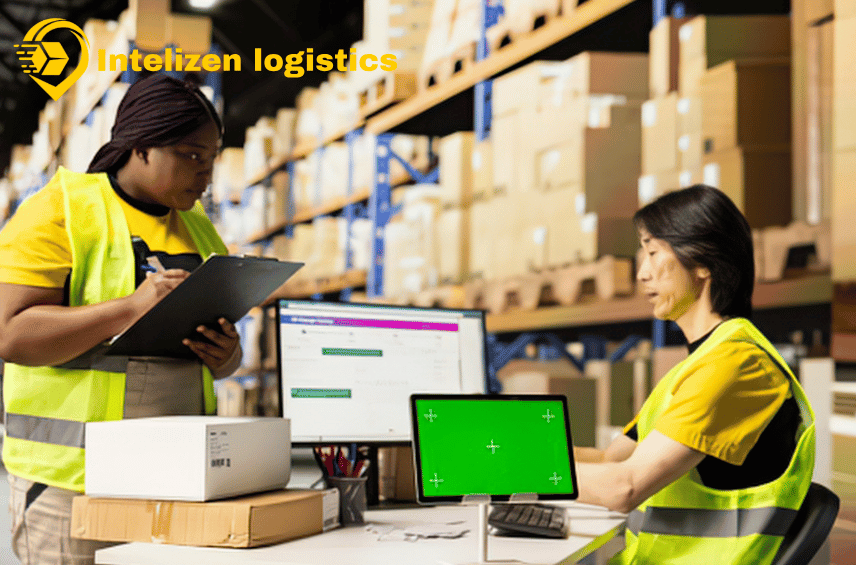
Efficient warehouse management plays a key role in successful logistics operations. Organized storage systems, proper inventory placement, and streamlined picking and packing processes help reduce handling time.
Regular inventory audits and digital warehouse management tools also improve accuracy while supporting faster order processing. Companies like Intelizen Logistics recognize the value of organized warehouse operations in maintaining efficient supply chain performance.
Strengthen Supplier Relationships
Reliable supplier relationships contribute to a smoother logistics process. Open communication, clear expectations, and regular performance reviews help build trust between businesses and suppliers.
Strong partnerships also improve coordination during periods of changing demand, making it easier to manage inventory and maintain timely deliveries.
Invest in Digital Logistics Tools
Modern logistics technology supports better planning, tracking, and reporting. Businesses can use digital tools to monitor shipments, analyze performance, optimize delivery routes, and improve inventory management.
These solutions provide greater visibility across the supply chain while helping teams make data-driven decisions. Intelizen Logistics also emphasizes the importance of using technology to support transparent tracking and efficient coordination throughout logistics operations.
Choosing the Right Supply Chain Logistics Partner
Selecting the right logistics partner is an important decision that can influence overall business efficiency. A dependable logistics provider should support your operational goals while offering reliable transportation, planning, and communication.
Experience and Industry Knowledge
Experience matters when managing different types of shipments and handling changing logistics requirements. A logistics partner with industry knowledge can better understand transportation planning, inventory coordination, and supply chain processes.
Evaluating past experience and service capabilities helps businesses make informed decisions.
Technology and Tracking Capabilities
Technology has become an essential part of modern logistics. Partners that use shipment tracking, digital documentation, and route optimization tools provide greater visibility throughout the delivery process.
These capabilities help businesses monitor shipments more effectively while improving communication across the supply chain.
Flexible and Scalable Services
Business needs often change due to seasonal demand, expansion, or new market opportunities. A logistics partner should be able to adapt to changing shipment volumes and operational requirements.
Scalable logistics services help businesses maintain smooth operations without unnecessary disruptions.
Customer Support and Reliability
Reliable communication is an important part of logistics management. Businesses benefit from partners who provide timely updates, transparent information, and responsive customer support.
A dependable logistics partner helps maintain efficient coordination between suppliers, warehouses, transportation teams, and customers. Intelizen Logistics focuses on reliable planning, tracking, and coordination to support businesses with changing logistics requirements.
Conclusion: Why Supply Chain Logistics Is Essential for Business Growth
Efficient supply chain logistics forms the foundation of successful business operations. From inventory management and warehousing to transportation and delivery, every stage contributes to moving products efficiently through the supply chain.
Businesses that invest in better planning, digital tracking, strong supplier relationships, and organized logistics processes are better equipped to improve customer satisfaction while managing operational costs. As supply chains continue to evolve, companies can benefit from reliable logistics strategies that improve visibility, coordination, and long-term efficiency.
Organizations such as Intelizen Logistics demonstrate how structured planning, transparent tracking, and efficient delivery systems can support businesses in maintaining smooth logistics operations. By continuously improving supply chain logistics, businesses can build stronger operations that are prepared for future growth.
FAQ
1. What is supply chain logistics?
Supply chain logistics involves planning, storing, transporting, and delivering goods efficiently from suppliers to customers while maintaining smooth business operations.
2. Why is supply chain logistics important for businesses?
It helps improve inventory management, reduce transportation delays, lower operating costs, and provide a smoother customer experience through better coordination.
3. What are the main components of supply chain logistics?
The main components include procurement, inventory management, warehousing, transportation, distribution, delivery tracking, and returns management.
4. How can businesses improve supply chain logistics?
Businesses can improve logistics by using real-time tracking, optimizing warehouse operations, strengthening supplier relationships, and adopting digital logistics tools.
5. How does technology support supply chain logistics?
Technology improves shipment tracking, inventory visibility, route optimization, communication, and planning, helping businesses make better operational decisions.